Family-Centered Environment
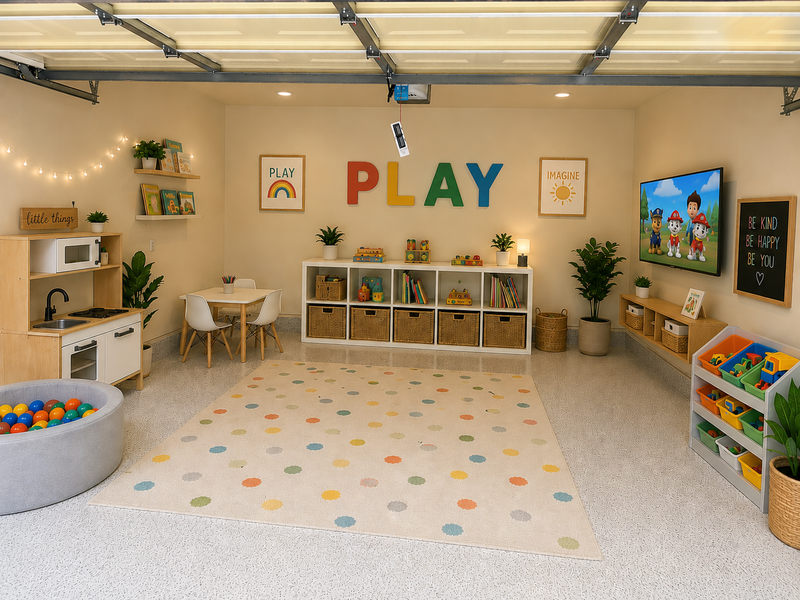
A supportive setting specifically designed to keep families together, with safe accommodations and spaces suitable for children.
Programs
Compatior Counseling Center provides Recovery Bridge Housing for mothers ages 18 and older with dependent children under the age of 10 who meet applicable Los Angeles County SAPC eligibility requirements.
RBH provides a safe, supportive, substance-free temporary living environment while mothers participate in eligible Substance Use Disorder (SUD) treatment.
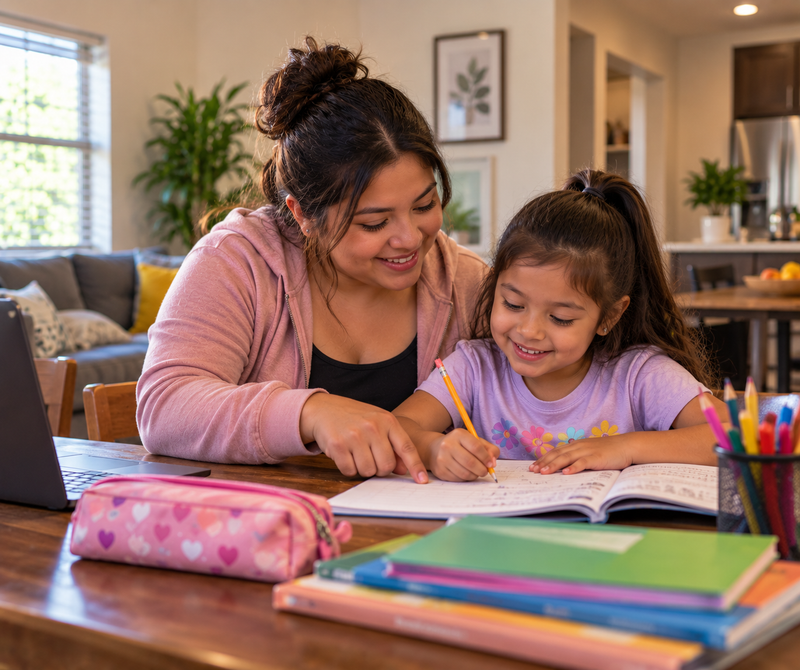
The program is designed to keep mothers and their young children together during recovery, reduce housing-related barriers, and promote family stability. Participants may receive connections to care coordination, healthcare, mental health services, MAT, parenting and family resources, housing navigation, employment, education, and other community supports.
Mothers remain actively engaged in eligible SUD treatment while working toward recovery, family stability, independence, and permanent housing.
Pregnant and Parenting Women (PPW) Recovery Bridge Housing guidelines: eligibility generally includes women who:
Recovery Bridge Housing. Housing may initially be authorized for 90 days, with additional authorizations allowing up to 360 days within a 12-month period when eligibility requirements continue to be met.
Program Highlights
We provide more than just a roof over your head — we offer a foundation of stability, community, and continuous support.
A supportive setting specifically designed to keep families together, with safe accommodations and spaces suitable for children.
A completely substance-free, monitored residence that prioritizes the physical and emotional safety of women and their families.
Guidance from house managers and a strong community of women sharing similar journeys toward independence and recovery.
Assistance and coaching with essential life skills, parenting resources, budgeting, and transitioning to permanent housing.
Treatment & Recovery
Mothers residing in Recovery Bridge Housing must remain enrolled in an eligible SAPC substance use disorder treatment program, such as Level 1.0 Outpatient Treatment or Level 2.1 Intensive Outpatient Treatment.
Through their treatment providers and available supportive services, participants may receive assistance with:
Individual counseling, group counseling, relapse prevention, and recovery planning.
Connections to healthcare, mental health services, Medication-Assisted Treatment (MAT), and other needed services.
Resources that strengthen parenting skills, healthy family relationships, and child development.
Coordination with appropriate agencies and authorized service providers to support reunification goals when applicable.
Assistance accessing pediatric healthcare, education, developmental services, and other age-appropriate resources.
Support identifying permanent housing opportunities and developing a transition plan.
Connections to workforce development, vocational training, education, and employment resources.
Ready to take the next step?
Whether you are seeking help for yourself or a loved one, our outpatient team is here to guide you through every stage of treatment and recovery — with discretion and respect.